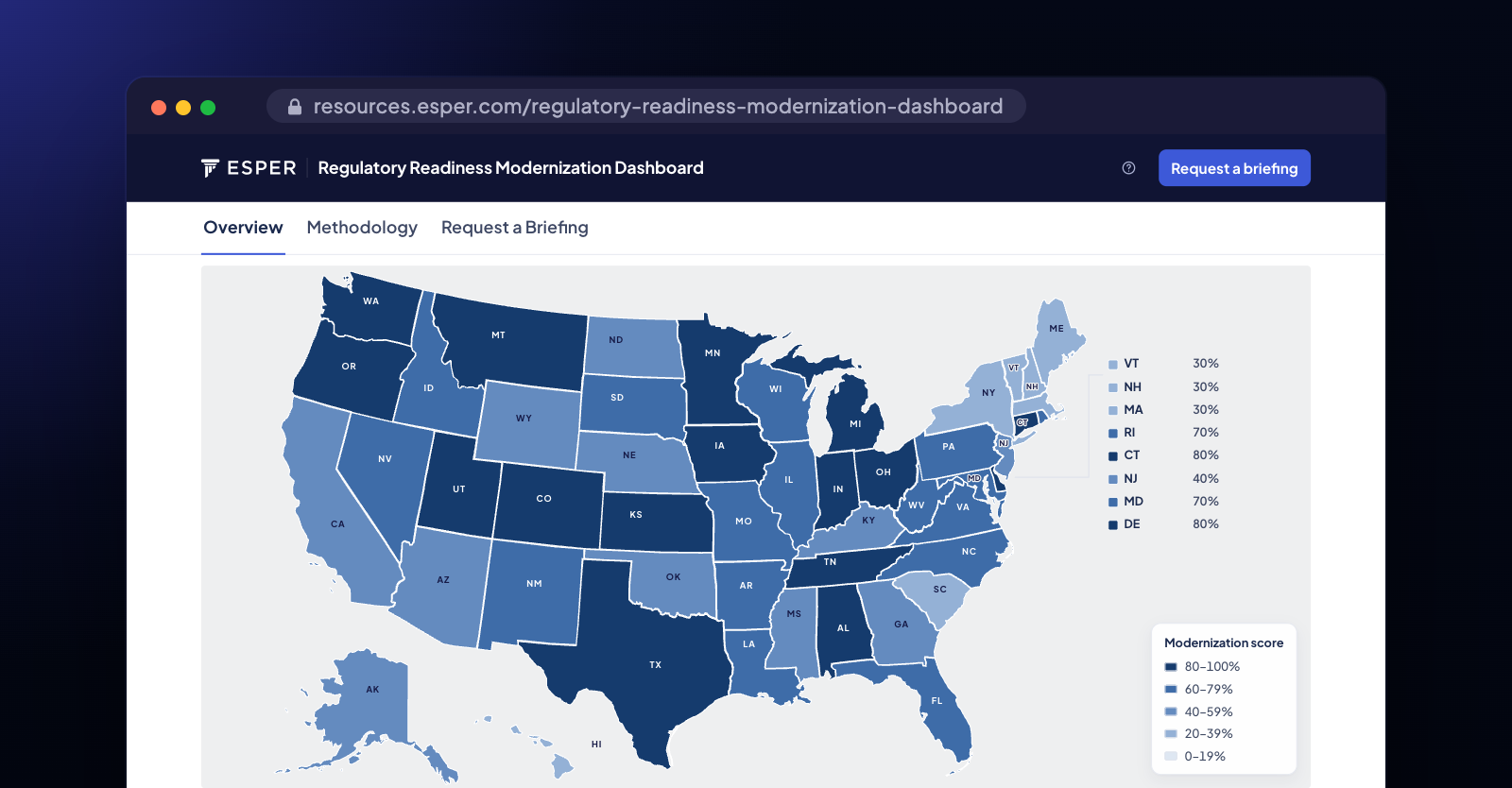
Medicaid work requirements take effect by January 1, 2027, unless a state gets more time from CMS, and that means the new eligibility policy has to reach thousands of caseworkers who were trained on the old rules. The policy work itself is well underway in agencies across the country. The harder part, and the one we hear about most, is the last step: making sure the people who apply a policy every day are working from the version that’s actually in effect.
A policy update only helps people once it reaches the staff who follow it. In most state health agencies, that last step still runs on shared drives, email chains and a few long-tenured people who know where everything lives. It holds up most of the time, but when it slips, the families and communities the agency serves are the first to feel it, and the policy team is the one left explaining what happened.
Where Good Policy Work Gets Lost
When health leaders talk about public health infrastructure, they usually mean hospitals, labs, disease surveillance and emergency response. We’d add the process that carries every eligibility policy, inspection protocol and emergency procedure from approval to the person applying it, because each of those documents only works if the right version gets there.
That process usually sits between legal, policy, operations and field staff, and in practice it belongs to whoever has the most bandwidth that week. Here are the places we see it break down most often in health agencies working at scale. They come from the volume and complexity of the work outgrowing manual systems, and they have nothing to do with how capable or committed the team is.
Eligibility updates that don’t reach caseworkers
An eligibility policy is revised, legal approves it and it’s published. Without a way to send the change straight to the staff making determinations and confirm they’ve read it, caseworkers keep applying the version they were trained on, and with a federal deadline in play, there’s very little room for that lag.
What it means for a family
A family is denied coverage they now qualify for, or loses coverage over a requirement they actually met. Most people don’t appeal, so the policy your team worked hard to get right never reaches the family it was written for.
Inspection protocols that change at the top and travel slowly
A protocol is updated based on new evidence and published, but inspectors across a large territory are still working from what they were trained on, because nothing pushes the change to them or confirms they’ve seen it.
Where it shows up
A family chooses a care facility for an elderly parent because it passed inspection, and the inspection was done against an outdated protocol. The family trusted the state, and the state believed it was enforcing the right standard.
Institutional knowledge that leaves at retirement
Your most experienced policy coordinator knows why each policy was written the way it was, which interpretations are contested and which edge cases need judgment. When she retires, the agency keeps her files, but the context that made those files make sense goes with her.
What gets lost
Her successor makes decisions without the reasoning behind them, interpretations start to drift, and consistency comes to depend on whoever is in the role and what they were able to piece together.
Emergency protocols that depend on finding the right document first
A public health event calls for fast policy changes. The agency has the authority and the staff are ready, but the right protocol, approval path and notification sequence aren’t in one place anyone can reach right away.
What it costs in a crisis
Response time ends up depending on how long it takes to find the process instead of how urgent the situation is.
What Your Agency Looks Like on the Other Side
When Every Update Reaches the Field
Here’s what changes when an agency’s policy process finally keeps up with the work its teams are already doing.
Everyone works from the current version
When a policy changes, the inspectors and caseworkers who apply it get the new version right away, and nobody is left following guidance that was replaced six months ago.
You can show who read what, and when
Each update goes out with an acknowledgement, so staff confirm they’ve read the new version and the agency has a clear record of who has and who still needs to. When leadership asks whether the field is ready for a change like the January Medicaid deadline, the policy team has an answer it can stand behind.
Decisions hold up when they’re tested
When a benefits determination or enforcement action is questioned, or a records request comes in, the agency can show the policy that was in effect, the version that was applied and the process that was followed. Your team isn’t rebuilding the record from scratch while the clock runs.
Institutional knowledge stays with the agency
The reasoning behind each policy is documented and linked to the policy itself, so when a 20-year veteran retires, her successor inherits the context along with the files and the agency’s knowledge keeps building instead of starting over.
Emergency response moves at the speed the situation needs
Protocols are current, easy to find and assigned to the right people, with approvals mapped and notifications ready, so the team can act as soon as a situation calls for it.
Esper as the long-term solution
Esper is policy management software built for large government agencies, and the team behind it has spent years inside the review cycles, audits and turnover that shape how policy work actually gets done. We help health agencies keep every active policy in one current, versioned record, send updates straight to the staff who apply them and track acknowledgements so you know each change landed. Staff can find the current version in seconds, and the reasoning behind each policy stays attached to it.
We configure Esper around how your agency already works instead of asking your team to work around the software, and we stay involved after go-live with planning, process recommendations and support as your policies and mandates change. When it’s time to make the case to your own leadership, we help you build it.