
The municipal code is the rulebook residents, builders and businesses check before they act. Before a homeowner builds a deck, a restaurant opens a patio or a developer files plans, someone has to find the right section, confirm it's current and read it. How easy that is depends on how the city publishes its code.
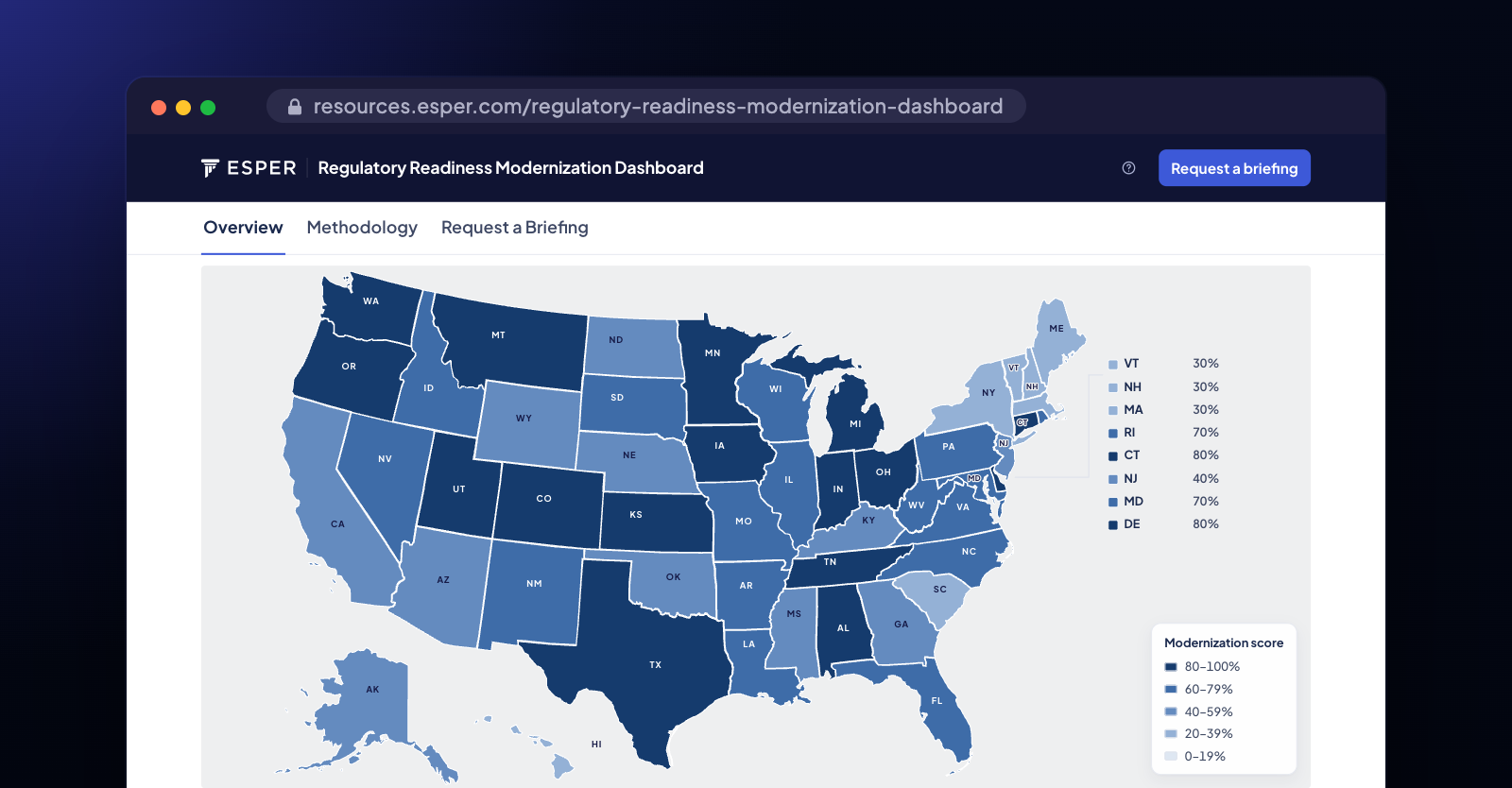
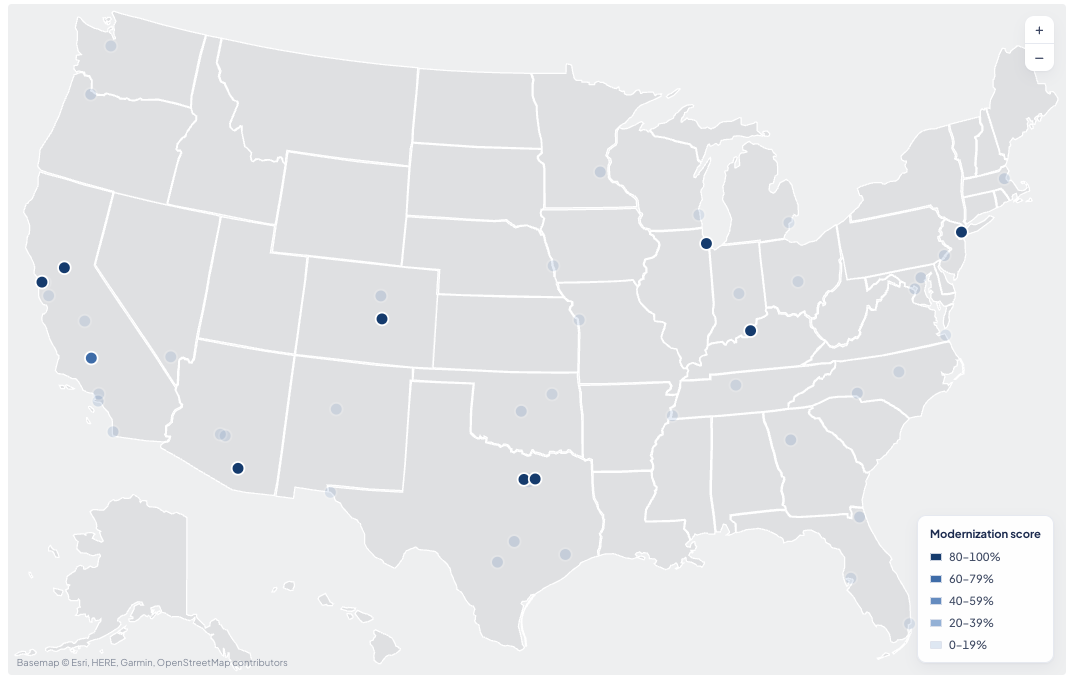
We scored each city on five factors: publishing speed, free access, searchability, accessibility and language access. Each factor is worth up to 2 points, for a score out of 10. Across the 50 cities, the average readiness score is 59.6%, and only 10 score 75% or higher. That leaves 40 cities not on track for 2027: 33 are only partially ready and 7 are behind. Among the ten largest cities, just three are on track, and the second largest is rated Behind.
The scores are current as of October 2026. You can explore every city in the Municipal Code Readiness Dashboard.
Where the accessibility deadline fits
Starting April 26, 2027, public entities with a population of 50,000 or more must meet WCAG 2.1 Level A and AA for their web content under the DOJ's Title II rule. That includes the online municipal code. Every city in our review is above that threshold, and the deadline is about six months away. Source: ADA.gov.
What that means in practice for a code:
- Machine-readable text. Scanned or image-only PDFs don't qualify. A screen reader has to be able to read the words.
- Real structure. Headings, lists and tables have to be marked up as what they are, not just styled to look like them.
- Keyboard operation. Anything a person can do with a mouse has to work with a keyboard too.
- Contrast and resizable text, including at the size the reader has set in their own browser.
The responsibility stays with the city, even when a vendor publishes the code. The exceptions are narrow, and an active code that residents still read doesn't fall into any of them.
The deadline is one reason to look at how a code is published, and not the only one. Publishing speed, free access and search matter to residents whether or not a federal rule exists. The deadline just makes this a good time to start.
The five factors, and what each means for residents
Each factor is worth up to 2 points. Here is what we looked at and why it matters.
Publishing speed. How quickly newly passed laws reach the online code. When the online code lags behind council action, residents and builders are reading rules that may no longer be current. In 22 of the 50 cities, at least one ordinance adopted more than 90 days ago still isn’t in the online code. In 38, a new ordinance has been missing for more than 30 days. Only 12 keep their code fully current.
Free access. Whether anyone can read the official code online for free. The code is the city’s own rulebook, and residents shouldn’t have to pay or request a copy to read it. Most cities get this right: 48 of the 50 earned full points.
Searchable. Full-text search, links to individual sections and a layout that works on a phone. Most residents don’t know a section number. They know the topic, like fences, signs or short-term rentals. Without full-text search, they’re left guessing which chapter to open. In 35 of the 50 cities, residents have to work to find a rule. In 34, there’s full-text search but no direct links to individual sections, or the text is hard to read on a phone. One city has no full-text search at all.
Accessibility. We ran an automated scan (axe-core, using WCAG 2.1 A and AA rules) on each code’s landing page and one section page. That is a useful signal, but it isn’t a formal audit and doesn’t prove full conformance. Keyboard and screen-reader checks still need to be done by hand. Of the 47 codes we were able to scan, 12 had serious or critical accessibility errors for screen reader and keyboard users, and 4 of those had critical errors.
Language access.Whether the code can be read in other languages. In 37 of the 50 cities (74%), residents have no way to read the code in a language other than English. Only one city fully translates its code and states which version is the official legal text. We’re re-checking these scores against our published definitions, so treat this factor as provisional for now.
All 50 cities were scanned within the same 14-day window. When a check was unclear, the lower score applied, and cities can send us evidence to have a score corrected.
Why a large city's code is hard to keep current
A municipal code isn't a document someone updates once a year. In a large city it changes all the time. Council passes ordinances, departments propose amendments, and each change has to land in the right chapter, in the right order, with the right effective date.
In many cities, that work runs on tools that were never built for it: Word documents, email threads, a shared drive holding three versions of the same chapter. Someone has to know which file is final. Someone else has to reformat it for the published code. Every hand-off is a chance for the online version to fall behind what the council adopted.
Size makes it harder. A large city has more departments, more chapters, more people drafting and reviewing, and more residents and businesses relying on the result. Ownership is often split too. The clerk's office may keep the official record, the city attorney reviews the language, IT runs the website, and an outside vendor may host the published code. When responsibility is spread across that many hands, so are the gaps.
That's why publishing speed and accessibility sit side by side in our scoring. Both depend on the process behind the code, not only on the website that displays it. A city can redesign its site and still have a slow, manual process behind it.
What cities can do now
You don't need a full modernization plan to learn where your code stands. A few checks, done this month, will tell you a lot:
- Look at the format. Is the current code published as web pages, or as PDFs and Word documents? Scanned or image-only files won't meet the rule.
- Try it without a mouse. Open a section and move through it with only a keyboard. Then try a screen reader.
- Time the gap. Pick a recent ordinance and check how long it took to appear in the online code.
- Search like a resident. Look up a topic, like "fence height," without knowing the section number. See what comes back.
- Ask your vendor. If an outside vendor publishes the code, ask how the pages perform against WCAG 2.1 AA. The responsibility stays with the city.
Then put your findings next to a score. The case for modernizing is easiest to make once you can say where you already lead, where the specific gap is and what closing it would take.
How Esper helps large city agencies
Esper is a cloud platform that modernizes how governments manage and publish policy, code and regulations. For a large city, that means replacing the scattered files, email threads and homegrown tools described above with one managed system of record.
Here's how that lines up with what we scored:
- Faster publishing. When drafting, review and approval happen in one system with version control, there's one current version to publish from. Staff aren't hunting for the final file, and a new ordinance has a shorter path to the online code.
- One source of truth across departments. Clerks, city attorneys and department staff work from the same record instead of separate copies, so the code residents read matches what the city adopted.
- Search residents can use. Smart Search lets residents, builders and businesses find rules by topic or phrase, not just by section number.
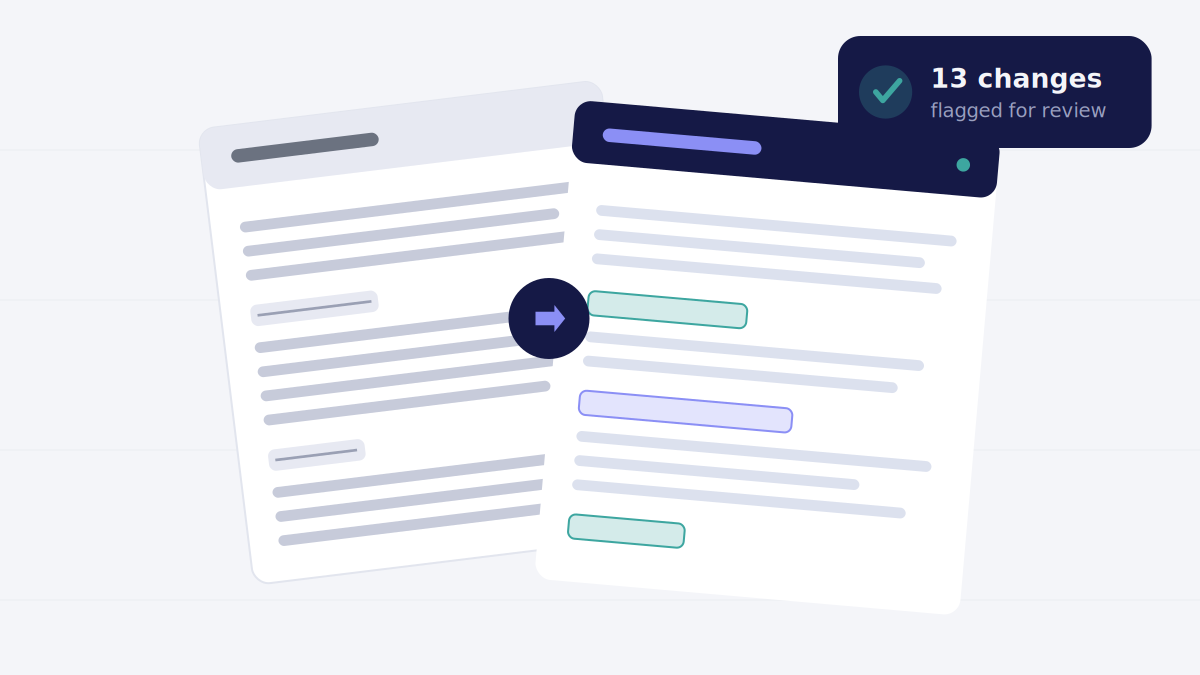
- A clear view of what changed. Smart Compare shows the differences between versions of a section, so reviewers can check an amendment before it goes live.
- The code on a phone. The Esper Mobile App puts the code in people's hands wherever they are.
- Less to keep alive. A homegrown tool gets costlier to maintain as the code grows. A managed platform gives the city a system built for this work, instead of one that someone has to keep patching.
Find out where your city stands
We built the Municipal Code Readiness Dashboard to answer a question we hear more often from city leaders: how does our code compare, and what would it take to get where we want to be?
Open the dashboard, select your city and see its score on all five factors. You can browse the map or the grid, filter by readiness tier and download the full set as a spreadsheet.
Once you've seen your score, request a briefing. We'll walk through a tailored report on what's already working and where your code could be more modern and accessible for residents. If your city isn't among the 50 largest, request one anyway and we'll score yours too.