
In March 2021, the American Rescue Plan Act of 2021 (ARPA) established the Coronavirus State and Local Fiscal Recovery Funds (SLFRF) to provide state, local and Tribal governments with the resources needed to respond to the pandemic and its economic effects.
On January 6, 2022, The Department of Treasury issued their final rule on the SLFRF program. According to the Treasury, the final rule enables state and local governments to meet immediate pandemic response needs and promote long-term recovery.
This final ARPA ruling gives policymakers a much-deserved win. With many agencies limited by legacy technology, multiple systems and manual processes, regulatory research and policymaking operations are long overdue for an upgrade.
Many government agencies are required by law to conduct cost-benefit analyses, small business analyses and environmental impact analyses. This key part of policymaking helps determine how these policies will impact citizens, businesses and the environment in their region. This distinction by the Treasury now allows agencies to leverage technology for data and insights, making room for strategic partnerships with technology vendors like Esper.
Nothing highlighted this need for strategic technology partnerships more than COVID-19 and the growing need for new health regulations and policies that impacted citizens and businesses across the country.
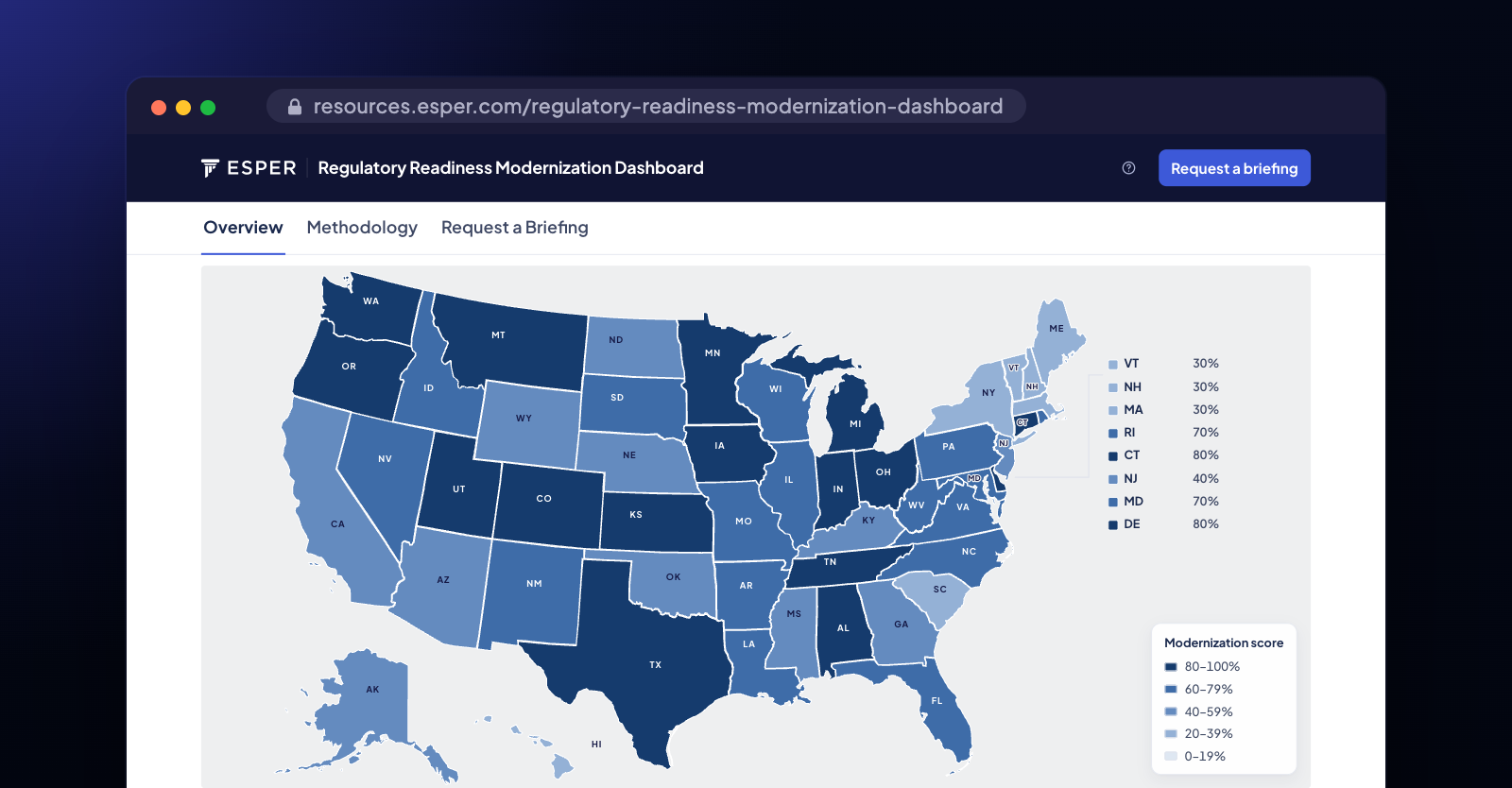
The need for data-driven and transparent policymaking was mission critical for the Washington State Department of Health (DOH). Washington State DOH was limited in functionality by their existing system for managing rulemakings. In addition, this system did not provide them with the ability to engage with their citizens around the policies that will impact them.
Esper and the Washington State DOH partnered in December of 2021 with the joint goal of modernizing and streamlining this important regulatory work. Washington State DOH staff will be able to easily search all of their regulations, laws and policy documents—and collaboratively draft amendments and repeals from the same platform. Another critical requirement was the ability to increase the agency’s engagement with citizens. With Esper, Washington State DOH can incorporate public comments into their ongoing rulemakings.
For the State of Montana Office of the Governor, being able to amend and repeal regulations was top-of-mind. In January 2021, the Governor’s Office partnered with Esper to simplify compliance and ease regulatory burdens on the state’s small businesses, farmers and ranchers.
According to Montana Lieutenant Governor Kristen Juras, “By thoroughly and carefully reviewing, rolling back and repealing unnecessary regulations, while also ensuring safeguards for public health and consumer safety, we will reduce the burden Montanans face and help more people thrive and prosper.”
With Esper, agencies have one centralized location for policy research, drafting, review and publishing. In addition, agencies can leverage Esper as a way to engage their citizens and capture public comments on policies that will directly impact them. Esper’s platform centralizes all regulations, laws and policy documents—allowing agency staff to collaboratively draft new policies, amendments and repeals from a single source of truth.
Interested in learning how ARPA funding can streamline your agency’s policymaking operations? Our team of local and state experts can walk you through the Esper platform and answer any questions you may have. To get in touch with someone, please contact us here.